
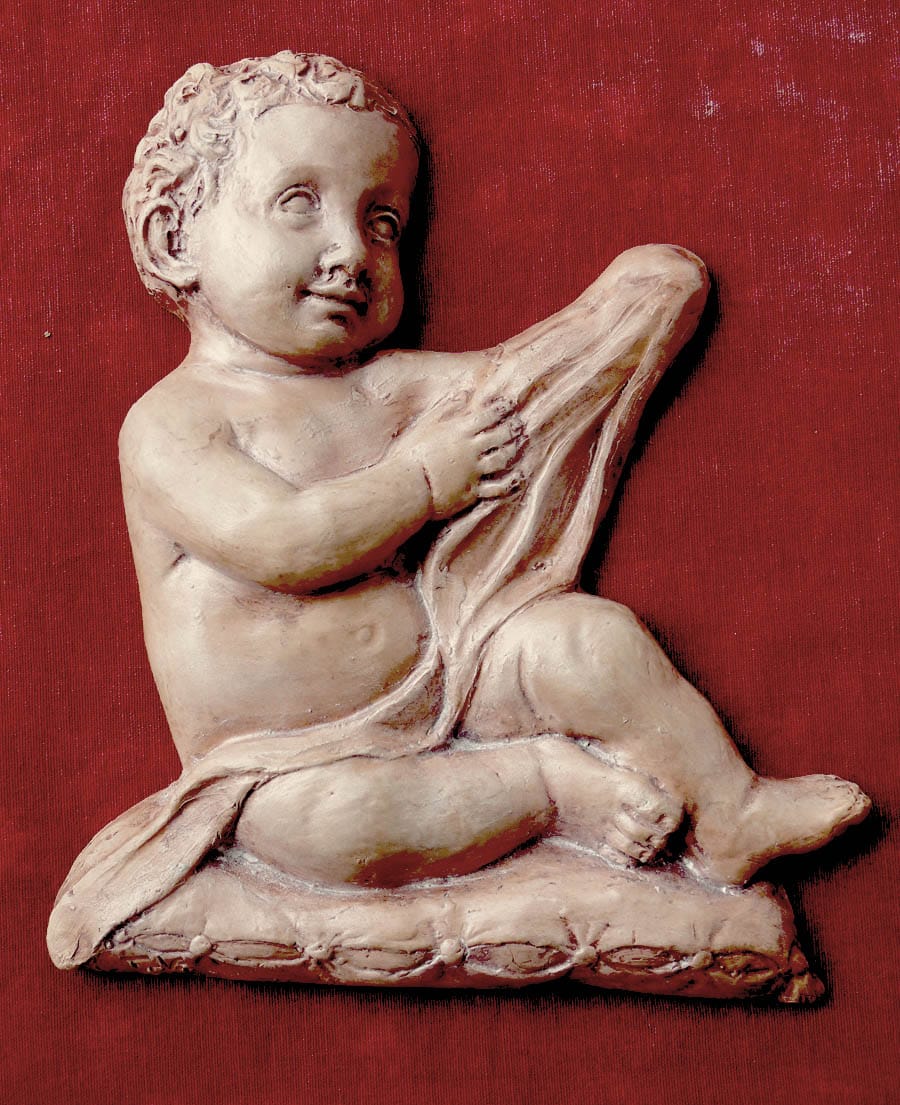
Certificates of authenticity for works of art are documents that attest to the genuineness and origin of a painting or work of art, certifying that it is an original work created by the declared artist. They are essential tools to guarantee the provenance and value of the work, especially in the antiques and collectibles market.
What do certificates of authenticity contain:
Information about the artist:
- Name and biography of the artist, if available
Detailed description of the work:
- Title of the work.
- Date of creation.
- Technique used (e.g. oil on canvas, watercolor, etc.).
- Dimensions of the work.
Provenance:
- History of ownership of the work (e.g. previous collections, exhibitions).
Photograph of the work:
- Often includes a high-quality image of the work to facilitate recognition.
Signature and stamp:
- Signature of the artist (if alive) or of a recognized expert (e.g. art appraisers, gallery owners, specialized institutes).
- Any official stamps.
Cataloguing number (if any):
- Registration number if the work is included in catalogues raisonnés or official archives of the artist.
Who can issue a certificate of authenticity?
- The artist himself (if still alive).
- Certified art experts or recognized authenticating bodies, especially for deceased artists.
- Qualified art galleries and auction houses.
- Artist-specific archives.
Why are they important?
- Legal protection: It is a guarantee against fraud.
- Economic evaluation: It increases the value of the work on the market.
- Facilitation of sale: Essential for transactions in galleries, auction houses or private collections.
Both in the evaluation phase of a work and in the case of restoration, the authentication process can lead to a request for certification that the art expert can issue to conclude the evaluation intervention or the consultancy on the restoration of an artistic and cultural asset